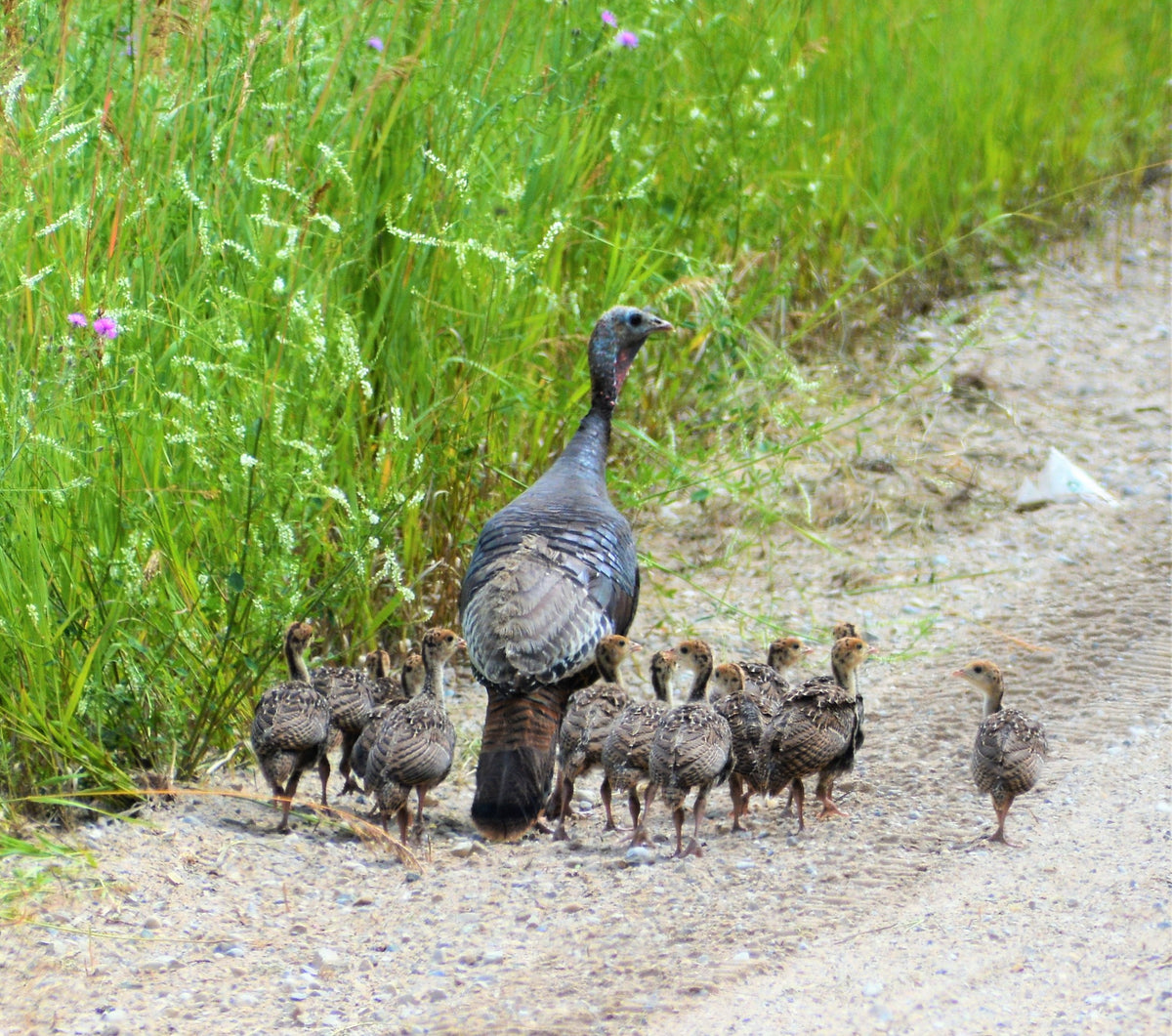
Forb Planting to Establish Brood Rearing Cover
Forb Planting to Establish Brood Rearing Cover
PROJECT DESCRIPTION
The area associated with this proposal is located at the northeast point of the South Fork
Arm of the Salt River as it joins the main body of Mark Twain Lake. The total management unit
is 271 acres of which 176 acres is South Fork Recreation Area. This multi-use recreation area
has facilities located there that include a four-lane boat launching ramp, two courtesy loading
docks, one vault toilet, and parking lot that totals 120 car-trailer and 15 car spaces. Currently,
one picnic site is available for public use. The entire recreation area is closed for all public
hunting opportunities excluding a partnership youth spring turkey hunt with the National Wild
Turkey Federation. This area does offer other recreational opportunities such as hiking and
wildlife viewing.
Currently, wildlife management in this area consists of managing several warm season
grass areas to promote a diversity of native wildlife-friendly plants. Common plants in these
open fields consist of native tall warm season grasses such as Big Bluestem, Indiangrass and
Switchgrass. Some of the forbs presents are blackberry, partridge pea, various goldenrod and
aster species. Management strategies focus on sustaining tall-grass prairies at a portion of their
former densities with interspersions of woody cover and forb vegetation. Through prescribed
fire, mechanical, and chemical management these grasslands have thrived. Current habitat
evaluation shows concerns for brood rearing and ground nesting wildlife due to the dense
vegetative layer formed by the tall warm season grasses which dominate the field.
PROPOSAL
The U.S. Army Corps of Engineers at Mark Twain Lake is proposing to enter a
partnership with the Mark Twain- Quail Forever Chapter and The Habitat Association to
convert one, 12-acre field, currently dominated by tall warm season grasses to a forb-based mix
with shorter warm season grass species. The goal of this planting is to create a diverse
vegetation component serving as ideal nesting and brooding rearing cover all within a 250-foot
radius from quality escape cover. This will require a seeding dominated by native forb species
due to the heavy presence of warm season grass currently. The establishment of these forb
species and short warm season grasses will initiate the goal of a diverse ecosystem which
directly supports the habitat needs of many game species and other native wildlife species.
MANAGEMENT ACTIVITIES
1. Foliar Herbicide Application
This process will reduce the tall warm season grass that is creating the dense layer of
vegetation. The foliar herbicide application will take place late summer to kill these grasses.
2. Fireline Establishment
A 15’ fire line is managed each fall with either a mower or offset disk depending on the
management plans for that year. The fire line will serve as the maintenance tool for future
management to set back succession and favor the native plants. If management calls for
prescribed fire the line consists of 70% exposed soil allowing for a safe burning operation. The
disturbed soil will be seeded with a fall food resource containing Wheat, Cereal Rye, Crimson
Clover, and turnip species. This fall resource provides fall and winter food resources and creates
excellent brood rearing cover the following spring and summer.
3. Prescribed Fire
A prescribed fire will be used to consume the dead thatch sitting on the soil. This management
action will provide for soil contact with seeds and favorable growing conditions for young
plants.
4. Seeding
A broadcast spreader will be utilized to perform dormant seeding of the grasses and forbs.
Planting activities to be performed by the U.S. Army Corps of Engineers. This planting will be
executed between January 1 and March 1, 2027 during the dormant season. The pollinator seed
mixture would contain short grasses of Little Bluestem, Side Oats Grama and 28-forb species
which would include a flowering period throughout the entire growing season to attract a large
variety of insects.
5. Mowing, prescribed burning, mechanical and chemical management
These activities will follow the seeding to encourage establishment of young plants by reducing
competition, minimizing invasive species such as Autumn Olive and Sericea Lespedeza during
the establishment time.
GOALS
Management strategies will focus on sustaining the short warm season grass and forbs that will be established. This conversion practice will enhance quality nesting and brood-
rearing, which is the current limiting factor. The seed mix will contain forb species that flower throughout the growing season. The plant species will benefit pollinating insect species which
will then serve as the primary food resource to broods that utilize the area for years to come.
COST
The Habitat Association seeks to donate $3,400 toward this project. That amount will cover seed costs associated with the transformation of the old field.
Couldn't load pickup availability